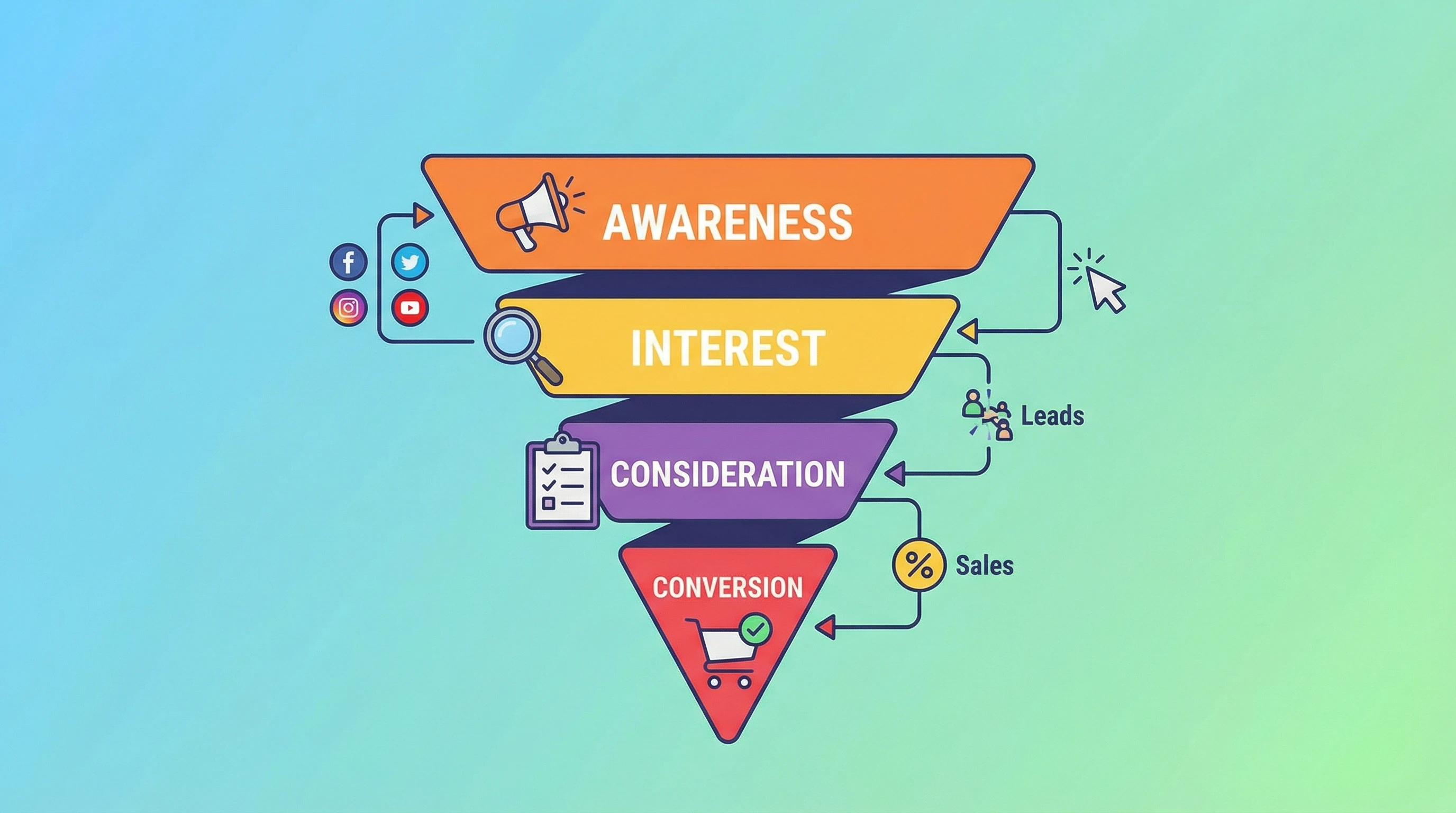
 A digital marketing funnel is basically a way to map out the adventure someone takes from first learning about your business to actually taking action, like buying something or signing up for your newsletter. Most modern businesses use online funnels to guide people step by step. Honestly, a clear funnel can make a huge difference in how well your marketing works by turning uncertainty into a super detailed and focused experience for your audience.
If you’ve ever wondered why visitors aren’t turning into customers, building an intentional funnel can make things a lot clearer. Instead of just hoping for the best, you’ll have a clear process that walks people from curiosity to commitment at their own pace. Along the way, you’ll give a boost to your marketing efforts and make it easy to spot where things can improve.
This step-by-step guide covers how to build out a digital marketing funnel, even if you’re starting from scratch. I’m breaking it down into steps, with practical examples and tips along the way, so you can start building your own funnel and see better results from your marketing efforts. Let’s jump into each stage and lay out the path for your ideal customers.
Step 1: Map Out Your Customer Adventure
The first thing I do is get super clear about what stages my customers go through before making a decision. Digital marketing funnels usually have a flow like this: awareness, interest, consideration, and conversion. Some add a few extra steps, but this structure covers the basics for most businesses. By sketching out your funnel, you can pin down what people need at each step and spot any gaps in your process.
Typical Funnel Stages Explained:
- Awareness. People first stumble upon your brand, usually through ads, social media, or search.
- Interest. Now they know you exist, so they check out more information: maybe reading a blog or watching a video.
- Consideration. Visitors start comparing their options, reading reviews, or signing up for your email list.
- Conversion. This is where they buy something, book a call, or take some other action you want.
It helps to sketch this out. You’ll see exactly where to add content and marketing tools so you don’t miss any chances to move people from one step to the next.
Step 2: Nail Down Your Funnel Goals
Different funnels have different goals. For some businesses, it’s all about making a sale. For others, the goal might be growing an email list or getting more demo bookings. I always pick one main goal for my funnel. It keeps everything focused and easier to measure.
Questions to Ask Before You Build:
- Are you trying to sell a product or service, or inform people?
- Do you want more leads, downloads, or event signups?
- How will you measure progress (sales, email signups, etc.)?
Once you’re clear on your main goal, you can build out each step of your funnel to support it. Picking one focus helps guide content, design, and follow-up.
Step 3: Attract Leads at the Top (Awareness and Interest)
The top of the funnel is all about catching people’s attention and getting them interested in what you do. Here’s where I focus on driving traffic and building awareness. Choose a mix of strategies that work for you, and don’t be afraid to mix in some variety based on where your audience hangs out.
Ways to Drive Awareness:
- SEO: Optimize your blog, website, and videos for search terms customers use to make your brand more visible.
- Social Media: Regular posts, reels, and stories to reach new faces.
- PPC Ads: Targeted ads on Google or Facebook help you get in front of specific audiences.
- Guest Blogging and PR: Appear on podcasts or guest-write for sites your audience reads.
Tips for the Awareness Stage:
- Use eye-catching visuals or headlines.
- Answer common questions people have before they even think about buying.
- Make your brand message super clear right from the start so people know what you stand for.
After grabbing attention, guide people to a logical next step. This could be a free value piece, like a blog post, quick video, or downloadable guide. It’s about giving them something useful that starts a relationship.
Step 4: Get Involved With Your Audience (Consideration Stage)
Now that people know about you, the next move is helping them consider your product or service among their options. I do this by offering more detailed content and building trust. Giving a boost here can really help people make up their minds.
Smart Get-Involved Tactics:
- Email Marketing: Offer a simple lead magnet (like a free guide or checklist) to get people on your email list.
- Webinars or Free Workshops: Live or recorded events work well to answer questions and show expertise.
- Case Studies and Testimonials: Real user stories or reviews help convince new leads you’re the right choice.
- Comparison Guides: Show how you’re different or better than other options out there, using clear examples.
The goal here is to deliver value, answer doubts, and get your lead to trust you enough to take the next step, like scheduling a call or starting a free trial. The more you address worries and show you care, the higher the chance they’ll stick around.
Step 5: Convert Leads Into Customers (Conversion Stage)
When someone’s ready to act, reducing friction is really important. I focus on making the conversion as smooth as possible and removing barriers, so people don’t get lost or second-guess themselves at the finish line. Leveling up the conversion stage mostly comes down to clarity, speed, and trust.
Conversion-Boosting Ideas:
- Clear Calls to Action: Use buttons like “Buy Now” or “Start Free Trial” to make it obvious and inviting.
- Simple Checkout Process: Avoid too many form fields or distractions. Quicker is better and leads to fewer drop-offs.
- Money-Back Guarantees or Free Returns: Take away risk so more people feel comfortable moving forward and saying yes.
- Live Chat or Support Options: Offer quick help for last-minute questions. I’ve seen this boost conversion in a big way.
If someone drops off before finishing, I use targeted email reminders or remarketing ads to bring them back to where they left off. This way, nobody feels forgotten and you get another shot at winning them over.
Step 6: Continue Building Relationships After the Purchase
The funnel doesn’t end at the sale. Some of my best customers are the ones who come back again or tell friends about what I offer. Keeping people happy after they convert can lead to more sales and great word-of-mouth growth, which is incredibly valuable for any business hoping to grow.
Ideas for After-Sale Engagement:
- Onboarding Emails: Help new customers get the most out of their purchase and keep the excitement going.
- Follow-Up Surveys: Ask for feedback and show you care about their experience, learning how to serve them better.
- Exclusive Offers: Send discounts or early access on new releases to previous buyers and keep your fans interested.
- Referral Programs: Reward customers for bringing in their friends. Everybody wins.
Happy customers are way more likely to purchase again and promote your business for free. Take some time to thank them, and they’ll become your biggest advocates.
FAQs and Quick Troubleshooting
How long does it take to see results from a funnel?
It depends on your traffic, offer, and industry. Sometimes, you’ll see changes within a few weeks, but in many cases, it takes a few months of tweaking and testing before things really pick up. Patience and regular adjustments make all the difference in the long run.
What if people aren’t moving to the next stage?
- Check if your content answers their biggest questions or objections clearly and honestly.
- Review your calls-to-action to see if they stand out and feel tempting.
- Test different lead magnets, email subject lines, headlines, or ad audiences to see if you get a better response. Don’t be afraid to mix things up.
Is a marketing funnel just for ecommerce?
Nope! Service businesses, nonprofits, and even personal brands use funnels to guide people to take action, whether that’s scheduling a call or donating. Funnels work anywhere there’s a step-by-step process that ends with someone doing something valuable for your organization.
Wrapping Up and Next Steps
Sticking with your funnel, making improvements, and focusing on what your audience really needs pays off over time. Even if you’re just starting, a simple funnel is way more effective than doing nothing at all. Your efforts will build up, making your business stronger with each new customer or client.
Your Action Plan:
- Map the main adventure your customers go through, from discovery to action.
- Pick one thing to improve this week, like adding a lead magnet or making your CTA more obvious and direct.
- Keep track of your numbers and tweak things until you see progress that makes you proud.
Building a great funnel is not all about tech or fancy tricks. It’s really about helping people move forward at every step, making it a smooth ride from start to finish. If you have questions or want feedback on your funnel, drop a note below! There’s always room to grow and support each other on this marketing adventure.