
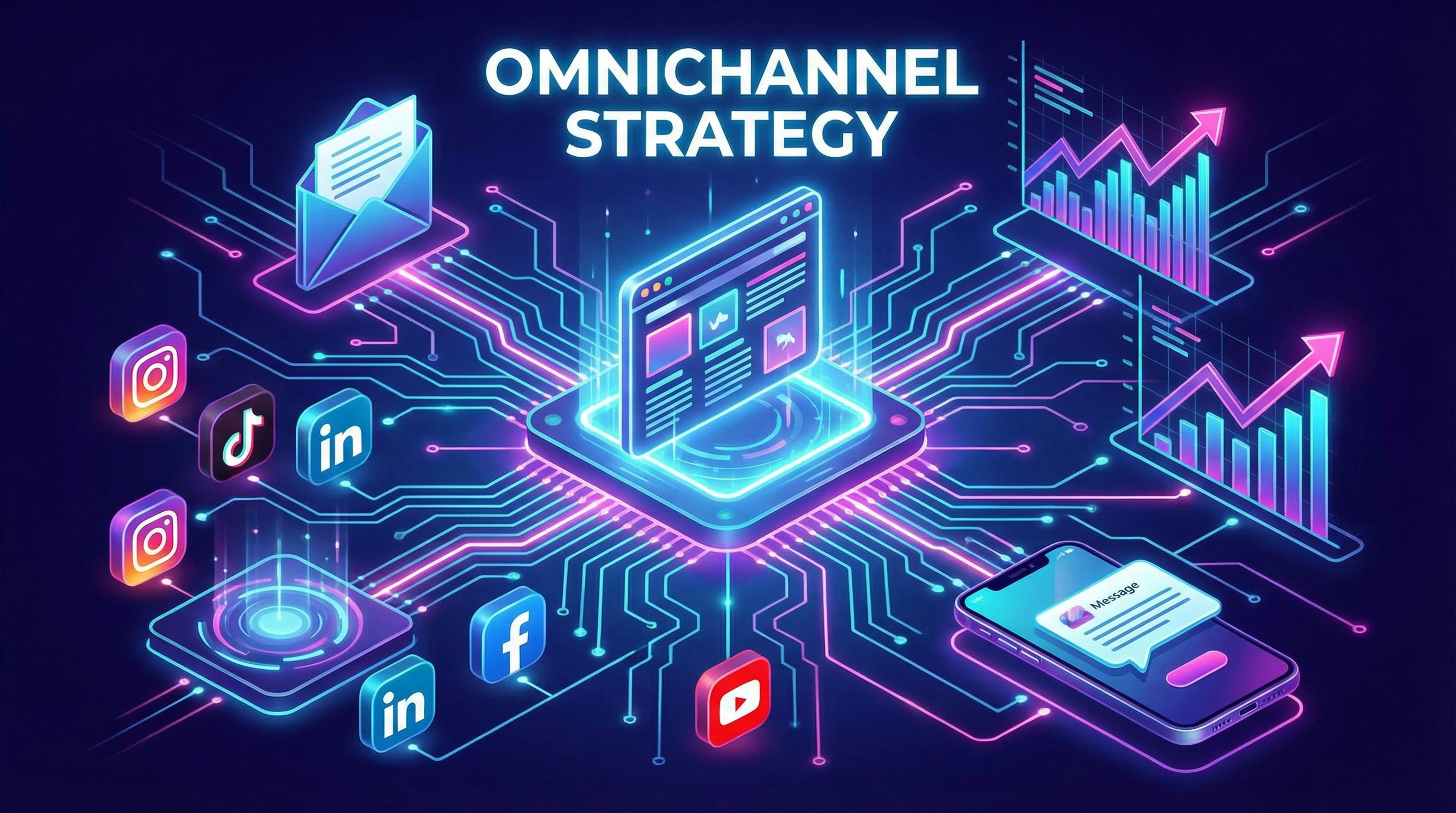
Staying ahead in today’s fast-moving digital world isn’t really about picking one marketing channel and sticking with it. The brands that see real results, and high ROI, are the ones using an omnichannel approach, blending several digital channels to create a smooth experience for their customers. If you’re looking to get better returns from your marketing spend, getting good at omnichannel digital marketing is definitely worth your attention.
Mixing emails, social media, paid ads, your website, and even in-person interactions opens up more ways to connect with your audience, but also brings a few challenges. This guide covers everything I’ve learned through working on omnichannel campaigns, from planning your strategy to tracking your results and making every marketing dollar count. We’ll also go a little deeper into some practical tactics to help you get the most out of each part of your digital marketing adventure.
Understanding Omnichannel Digital Marketing
Omnichannel marketing brings all your digital touchpoints together so a customer’s adventure feels the same wherever they interact with your brand. It’s not just about being everywhere, but about making each channel work together as a team. That means your emails match your Instagram ads, which line up with your website and even your customer support replies.
Multichannel vs. Omnichannel
- Multichannel: Each marketing channel operates on its own, sometimes sharing messaging but often acting separately.
- Omnichannel: All channels are connected, giving your customer a seamless experience wherever they show up.
If you’ve ever added something to your cart on your phone and later saw a reminder in your laptop’s browser, that’s omnichannel in action. When you nail this approach, every touchpoint feels familiar and encourages your audience to follow through to purchase.
One example is a customer who researches your product on their tablet, receives a personalized promotional email on their smartphone, and then gets a coupon while visiting your store. By covering all these bases smoothly, you reinforce your brand at each step and help move customers closer to making a purchase, keeping your brand top-of-mind wherever they are.
Setting Goals and Identifying Your Audience
Jumping into omnichannel marketing without set goals is like driving without a map. You need clear outcomes to measure success, such as increasing sales, boosting brand awareness, or retaining more customers.
How to Set Realistic Goals
- Pick goals that match your business objectives (sales, email signups, social engagement, etc.).
- Decide how you’ll measure those goals. Maybe it’s conversion rates, average order value, or email click-throughs.
- Set timeframes and checkpoints so you can see if you’re on track.
Knowing your audience also makes a big difference. Start by collecting insights from your current platforms: Google Analytics, social insights, and customer surveys are all super useful. Try to answer questions like:
- Where do your customers hang out online?
- What devices are they using?
- What content or offers get the most response?
When you understand your audience’s habits, you can focus your efforts where they’ll get the most traction. For instance, if you spot that your audience prefers Instagram over Twitter, putting more energy into eye-catching Instagram content will pay off. Spend some time digging into your past campaigns, customer reviews, and even competitors to track down patterns or gaps in your messaging.
Building a Strong Omnichannel Strategy
A good omnichannel plan covers all the ways customers interact with your brand. It’s about making those moments feel connected, direct, and personal.
Steps to Build Your Strategy
- Map your customer adventure from first touch to repeat purchase. List out every platform and device they use along the way.
- Choose your core digital channels. These could be email, paid ads, social media, mobile app notifications, SMS marketing, or even your instore digital touchpoints.
- Determine how channels will work together, like sending an abandoned cart email after someone leaves your store or following up a social ad with a special offer via SMS.
Tips for a Smooth Omnichannel Experience
- Keep branding, messaging, and tone consistent everywhere.
- Personalize interactions whenever you can. Even using a customer’s name or referencing past purchases goes a long way.
- Let customers switch between channels, for example going from your Instagram to your website to live chat, without frustration or confusion.
Making everything work together might need some tech tweaks, but the payoff in customer loyalty and higher ROI is usually worth the effort. Don’t be afraid to start small, testing out your strategy on a couple of platforms before pulling everything together across all channels.
Tracking Performance and Optimizing Campaigns
Because omnichannel strategies involve a bunch of moving parts, solid tracking and analytics are really important. Understanding which channels are driving sales (and which ones aren’t) helps you put your resources where they matter most.
What to Track and Why It Matters
- Traffic sources: Know where visitors are coming from and what they do on your site.
- Conversion rates: Track not just overall conversions, but also by channel and device.
- Customer adventure touchpoints: Identify common drop-off spots or places where people need more information before buying.
- Average order value (AOV): Check if those extra nudges on different channels are leading to bigger carts.
Platforms like Google Analytics 4, HubSpot, or even basic UTM links offer great visibility. You can also use A/B testing to try different versions of ads, emails, or landing pages to see what clicks best. Pay attention to trends, like which combinations of channels bring in the highest lifetime value customers, and don’t hesitate to switch things up if something isn’t working.
Making Decisions Based on Data
- If a channel isn’t performing, adjust the messaging, try new creative, or rethink its role in your overall plan.
- Spot content gaps. Maybe customers read your blog but drop off before making a purchase, so you can add a well-placed call-to-action or retargeting ad.
- Reallocate budget to the channels with the best conversion rates for your core audience.
Constant tweaks based on your results are how those big ROI jumps actually happen. Remember to regularly share your findings and wins with your team to keep everyone motivated and your strategy aligned.
Common Challenges and How to Handle Them
Even with all the benefits, setting up a true omnichannel presence does bring a few challenges. Here are some I run into often, along with what’s helped me work past them:
Tech Integration Headaches
- If your website, email system, and ads platform don’t talk to each other, the fix usually starts with a marketing automation tool or CRM. Platforms like Klaviyo, Salesforce, or Mailchimp are pretty handy for syncing up data.
Data Overload
- Pick a few key KPIs and build dashboards to focus on what really matters. Don’t get buried trying to track every possible metric from every channel.
Channel Fatigue
- If you’re spread thin, prioritize the channels where your audience is actually active. Being strong on a few platforms usually beats being middling everywhere.
It’s always a good idea to reach out for help when needed. There are plenty of resources online, and digital marketing communities can be a great way to share experiences and solutions. Remember, nobody gets it perfect right away; it’s all about learning and improving over time.
FAQs About Omnichannel ROI
How long does it take to see results from omnichannel marketing?
It varies, but most brands start seeing traction within three to six months. Things usually ramp up as you gather more customer data and improve your coordination between channels. The more you refine your processes and align your messaging, the faster your ROI starts to pick up pace.
Is omnichannel digital marketing only for big businesses?
Nope, businesses of all sizes benefit. Even small shops can use tools that let them automate emails, sync their Facebook ads, and keep in touch with SMS, for example. The key is to focus on the channels that fit your audience best. Small businesses often have the advantage of flexibility and can pivot their strategies faster compared to larger brands.
What’s the best way to measure ROI?
- Tie revenue from each campaign or channel to your costs.
- Include “soft” returns, like better customer retention or increased engagement, as they can add up to more sales down the line.
Take the time to analyze both short-term and long-term effects of your campaigns, adjusting as you get a better sense of which approaches really move the needle.
Key Actions to Boost Your Omnichannel ROI
- Set clear goals and zero in on your core audience first.
- Create a coordinated plan for your top digital channels. Don’t try to conquer every platform at once.
- Track results often. Adjust your campaigns based on what the numbers show, not just gut feeling.
When your marketing efforts work together, your brand feels more unified, and your customers are more likely to stick around, and that’s where your ROI really starts to pick up speed. Keeping your fingers on the pulse and staying open to feedback will keep your omnichannel marketing on the right track and growing strong.