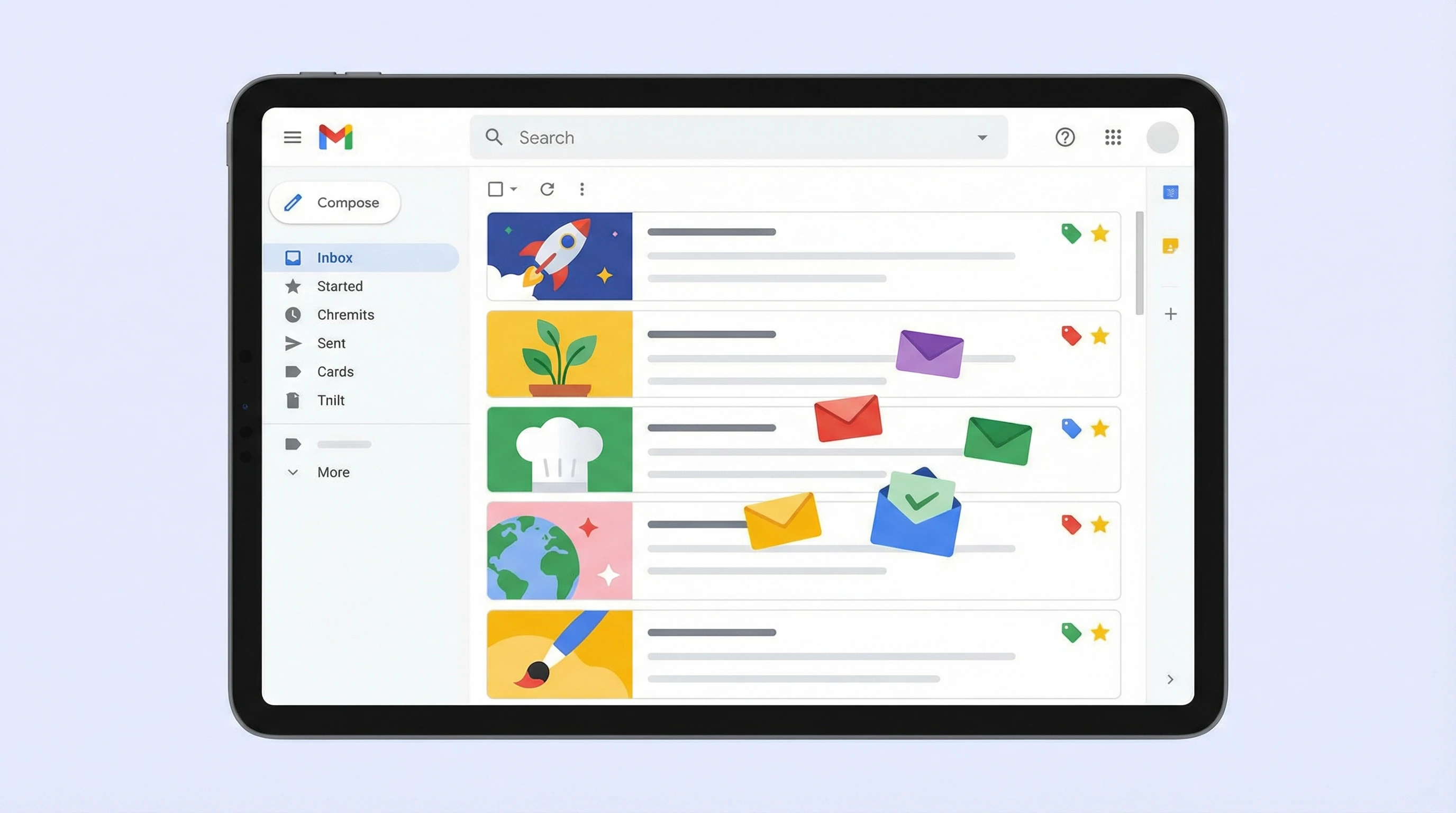
 Email marketing is a reliable way to reach your audience, promote products, and build lasting relationships. Whether you own a small business or run campaigns for a larger brand, sending the right emails to the right people can really give a boost to engagement and drive growth. The challenge is, inboxes are crowded, with plenty of messages never getting opened. To keep your emails out of the trash and see real results, following a set of best practices is a huge help.
After years spent working on email campaigns, tweaking strategies, and tracking stats, I’ve picked up a lot of useful tips for better open rates, more clicks, and fewer unsubscribes. Here’s a guide that covers everything you need to know to make your email marketing more effective—without being spammy or overwhelming.
Step 1: Know Your Audience and Build the Right List
Getting big results from email marketing always starts with figuring out who you’re talking to. A message that’s super relevant for one subscriber might not work at all for another. That’s why targeting your lists is so important.
Questions to Get Started:
- Who is most likely to care about my emails?
- What problems or goals do my subscribers have?
- What preferences or interests shape their choices?
List Building Tips:
- Start with a clear opt-in form on your website, landing pages, or social media. Always get permission before adding people to your list.
- Offer a good incentive to join, like a free resource, discount, or insider access.
- Segment your list based on interests, purchase history, or user behavior so you’re not sending everything to everyone.
- Regularly clean your list by removing inactive subscribers. This helps your emails reach engaged readers and keeps your metrics accurate.
When you know your subscribers and focus on quality over quantity, your emails have a better chance of being read.
Step 2: Craft Subject Lines That Get Attention
Your subject line gives your first impression. Most people scan their inbox in seconds; if your subject doesn’t catch their eye, the email will likely get skipped.
How to Write Effective Subject Lines:
- Keep it short and clear. Aim for 6-10 words or roughly 40 characters.
- Say clearly what’s inside the email—avoid clickbait or overpromising.
- Add a sense of urgency or curiosity, like “Last chance to save 20%” or “See what’s new this week”.
- Personalize it when possible. Use the recipient’s name or reference something specific.
- Test emojis, questions, and numbers to see which style works best for your audience.
Helpful Hint:
Try A/B testing your subject lines. Send one version to half your list and a different one to the other half, then compare which got more opens. Over time, you’ll spot patterns.
Step 3: Provide Valuable Content Every Time
People stay subscribed to email lists that give them something useful, fun, or relevant. If your subscribers feel like every email is just an ad, they’ll eventually tune out or unsubscribe.
Ideas for High-Value Emails:
- Share how-to guides, tips, or resources related to your business or industry niche.
- Offer exclusive discounts or early bird access just for subscribers.
- Send updates on new products or big company news.
- Show off customer stories, testimonials, or content created by users.
- Ask for feedback or invite subscribers to participate in polls and surveys.
Keep your emails practical, clear, and centered on helping the reader—not just pushing your latest offer. The more people see your messages as useful or entertaining, the more engaged they’ll be over the long haul.
Step 4: Design for Mobile and Accessibility
More than half of all emails these days are opened on mobile devices, so your email has to look good on a phone or tablet. Simple, responsive design lets everyone read and interact with your content easily.
Tips for Better Mobile Emails:
- Use singlecolumn layouts to make scrolling easy.
- Stick with large font sizes (at least 14px for the main text).
- Buttons and links should be big enough to tap easily, so nobody has to zoom in.
- Always add ALT text to images. This way, even if pictures don’t load, your message still makes sense.
- Keep paragraphs short and use lots of white space to make reading comfortable on any device.
Accessibility goes beyond just mobile. Make sure your emails can be read by screen readers and meet the needs of those with vision challenges. You’ll find practical tips at the W3C Web Accessibility Initiative.
Step 5: Get the Timing and Frequency Right
There’s no universal schedule for sending emails, but sending too many can annoy subscribers, while sending too few can make them forget about you. Pay attention to feedback and test different sending patterns to figure out what works best.
Scheduling Tips:
- Start with sending one campaign every week or two. That keeps your business fresh in people’s minds.
- Try different days and times to see what gets the best response. Many businesses report Tuesday and Thursday mornings are strong, but your audience may be different.
- Balance promotional emails with pure value-driven content, so it’s not always a sales pitch.
- Let your subscribers know how often they’ll hear from you when they join, so expectations are clear.
Step 6: Stay Compliant and Respect Privacy
Email marketing laws like GDPR in Europe and CAN-SPAM in the US are strict. Following these rules keeps you out of trouble and makes your business look trustworthy.
Compliance Checklist:
- Get clear permission before sending marketing emails—don’t pull old contacts from unrelated lists.
- Always include a visible unsubscribe link in every email you send.
- Include your business name and a real mailing address, so people know who you are.
- Keep all subscriber data safe and never share or sell it without permission.
Add a transparent privacy policy to your website. You’ll find templates and advice from the FTC CAN-SPAM Guide, and similar resources for GDPR compliance online.
Step 7: Track Results and Keep Improving
Analytics show you what’s working and what needs to be tweaked. Most email platforms give you clear stats like open rates, click rates, and unsubscribe numbers right out of the box. Watching these metrics helps you improve your content, timing, and targeting for better results.
Metrics That Matter Most:
- Open Rate: How many people open your message. This shows whether your subject line and sender name do their job.
- Click Rate: How many people click a link in your email. A good way to see if your content and calls-to-action are working.
- Unsubscribe Rate: If this goes up, it’s time to adjust your approach or frequency.
Try new things often—switch up your content length, visuals, or sending times. Regularly ask your subscribers for feedback about what they want more (or less) of in your emails. Keeping a pulse on your readers’ preferences will keep your emails relevant and welcome.
Common Questions & Troubleshooting
What if my open rates are low?
- Test new subject line styles, sender names, or different sending times.
- Clean your list—take out people who haven’t opened your emails in months.
How do I avoid the spam folder?
- Avoid loading up your message with salesy words like “buy now” or “free”.
- Send from a real email address, not something like “no-reply”.
- Make sure everyone on your list asked to receive your emails in the first place.
What if people keep unsubscribing?
- Double-check your frequency. Maybe you’re sending too often?
- Balance your promo messages with emails that are helpful or entertaining.
Your Next Steps for Better Email Marketing
Email marketing is always evolving. These best practices help you keep your list happy, improve your results over time, and dodge common mistakes that many senders make.
Your Action List:
- Pick one subject line tweak to try in your next send.
- Segment your list if you haven’t already.
- Set a simple schedule and stick to it for at least a month.
I’m always curious—what’s your best tip for getting people to read your emails? Drop your thoughts below!
For even more super detailed advice, keep an eye on trusted email marketing blogs and sign up for new tools that can help automate or simplify your strategy. The email marketing world never sits still, so staying updated means you’re ready for any mix up or trend coming your way.